

Wondering how do I sell concert tickets? This guide will help you get started. Learn how to set up your seller account, choose the right platform, price your tickets, and market them effectively. We’ll also guide you on ensuring safe transactions.
Key Takeaways
The concert ticket resale market is driven by demand for high-profile events, with key platforms like StubHub, Vivid Seats, and Cheers Finance facilitating sales.
Setting competitive prices and using dynamic pricing strategies based on market demand can significantly enhance profitability for ticket sellers.
Effective promotional strategies, including social media marketing and personalized email campaigns, are vital for driving ticket sales and reaching potential buyers.
Understanding the Concert Ticket Market

The concert ticket market is a dynamic and ever-evolving landscape. Essentially, ticket resale involves selling event tickets after the primary sale, often at different prices. This secondary market is significant, with substantial financial value, indicating its importance within the overall ticketing landscape. For many, the primary motivator for reselling tickets is to recoup their money, and using resale tickets reselling platforms makes this process faster and more convenient. This not only benefits the sellers but also event organizers who enjoy higher attendee turnout as a result.
Recognizing the key players and identifying high-demand events, as well as related events, allows sellers to strategically position themselves for maximum profits. Here’s a closer look at the major players and how to spot the most profitable events.
Key Market Players

The ticket resale market is dominated by several major platforms, each offering unique features that benefit sellers. Here are some of the key players:
StubHub: One of the largest ticket marketplaces, providing vast exposure for sellers.
Vivid Seats: Recognized for its strong customer service and ticket guarantee policies.
SeatGeek: Utilizes a Deal Score system to help sellers price their tickets effectively.
Other notable platforms include Ticketmaster, which also offers a convenient marketplace for both sellers and buyers. The competitive landscape of ticket resale is marked by these platforms vying for market share, each offering unique features to attract users.
Identifying High-Demand Events

Identifying high-demand concerts is pivotal in maximizing profit margins in the resale market. High-demand events often feature well-known artists with dedicated fan bases, leading to inflated resale prices. Artists who have a substantial following and consistent ticket demand tend to drive higher resale values.
By recognizing these characteristics, ticket sellers can strategically target events that maximize their return.
Setting Up Your Seller Account

Setting up a seller account is the first step to entering the ticket resale market. Choose a resale website to start selling your concert tickets. To sell tickets online, you must register an account on the chosen ticket resale platform. This process typically involves providing basic information and agreeing to the platform’s terms and conditions.
Additionally, NFTs are a unique way to track ownership of concert tickets, promoting fairness between buyers and sellers. NFTs ensure transparency and security, making it nearly impossible to counterfeit tickets and protecting both parties from fraud. NFTs also offer other benefits, such as automated rules that help sellers maintain control and do less work protecting against scalping and other issues.
Cheers Finance uses USDC stablecoin and ETH for gas fees, with no barriers to entry or KYC collected, making it a seamless and secure option for sellers.
Choosing the Right Platform

Selecting the right platform is crucial for reaching the right audience. Review service fees, features, and payment methods when choosing a ticket resale platform with a user friendly interface. Platforms like Lysted offer safe payments, automated posting, and better sales through increased exposure. Tickets on Lysted can be listed for free, providing a cost-effective option for sellers.
Cheers Finance also stands out with no fees to buyers, just ETH gas, and only 5% on withdrawal to sellers.
Secure Payment Methods
Secure payment methods are essential for safeguarding personal information. Common payment methods for selling concert tickets include PayPal and physical checks. Choosing a resale platform with strong data security measures is crucial.
Lysted provides various payment options, allowing sellers to receive funds in different currencies and regions. Scheduled payouts offer sellers the chance to receive their sales revenue prior to the event date. Cheers Finance uses USDC stablecoin and ETH for gas fees, ensuring secure and reliable transactions.
Listing Your Concert Tickets
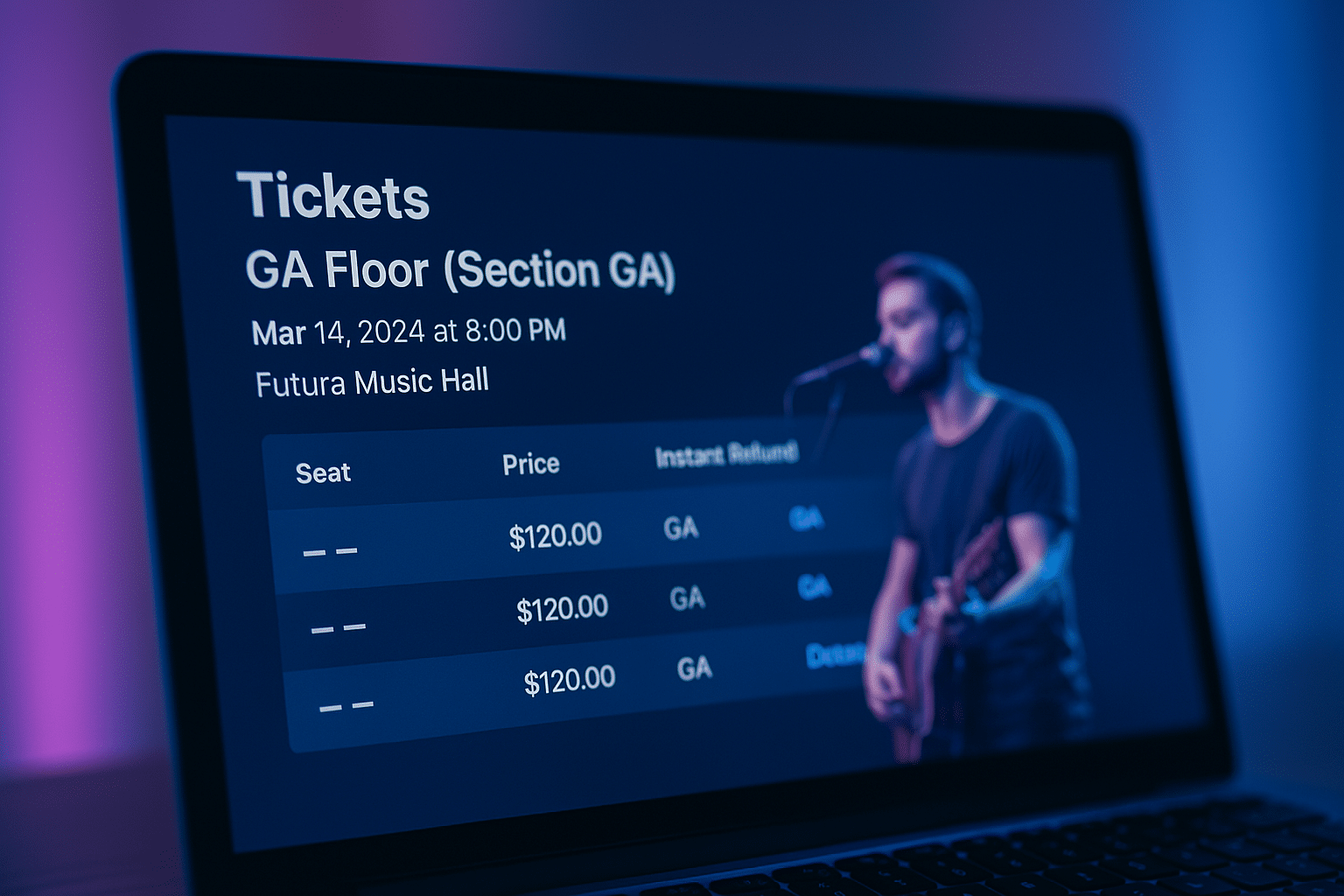
To make your tickets sell, include key details like event date, location, and artist to attract potential buyers. Detailed descriptions of the seating location, highlighting features like section and row, provide transparency and build trust. Re-listing unsold tickets multiple times boosts their visibility and chances of selling.
In addition to compelling descriptions, using high-quality images that accurately represent the tickets being sold can significantly enhance your listings. Set competitive ticket prices by considering market demand while also being aware of the original face value.
Platforms like Cheers Finance use blockchain technology to automate rules, helping sellers maintain control and protect against scalping.
Crafting Attractive Listings
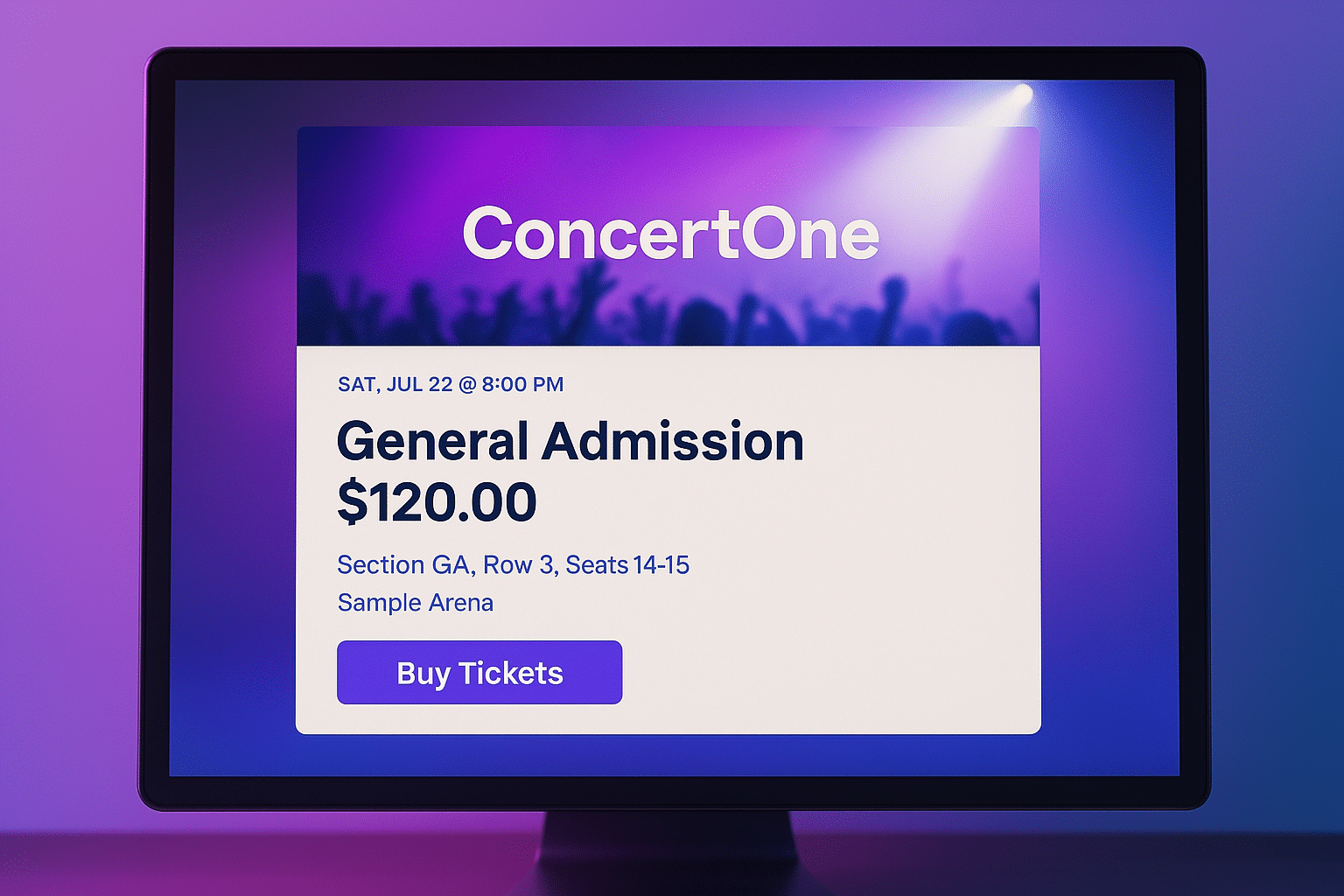
Highlight unique features of the event, such as special appearances or exclusive experiences. Use high-quality images and detailed descriptions, including the section and row of the seats. Set competitive prices that reflect current market demand while considering the original face value.
Platforms like Lysted offer virtually infinite tiers per event, allowing you to offer various seating and ticket options.
Utilizing Historical Data

Historical data aids in determining competitive pricing by analyzing event specifics. Platforms like Cheers Finance offer state-of-the-art pricing tools and historical data to assist sellers, informing pricing strategies and optimal listing times.
With Cheers Finance, data is securely stored on the blockchain, ensuring transparency and accuracy.
Pricing Strategies for Maximum Profit

Pricing strategies are crucial in maximizing your profit potential when selling concert tickets. Concert ticket prices are determined by a mix of factors including artist popularity, venue capacity, and market demand. Consider the concert’s location, as ticket prices can vary significantly based on demand in different cities. Research past ticket prices for similar events to set competitive prices that reflect current market demand. Analyzing past ticket sale trends can help you optimize pricing strategies based on demand fluctuations.
Various strategies can be used to increase resale value, such as considering seasonal trends when listing tickets. For instance, some resellers have successfully used varying pricing strategies to sell over 1,000 tickets for a major music festival. The ideal price should reflect the ticket value to encourage buyers.
Understanding Face Value vs. Market Value

The face value of a ticket is the price printed on the ticket itself, set by the event organizer. However, ticket prices in the resale market can be influenced by market dynamics, including demand, supply, and event specifics. Sellers should consider all associated ticketing fees, as these can significantly impact overall ticket price profitability.
Using pricing strategies aligned with market conditions can help increase the resale value of your tickets.
Dynamic Pricing Techniques
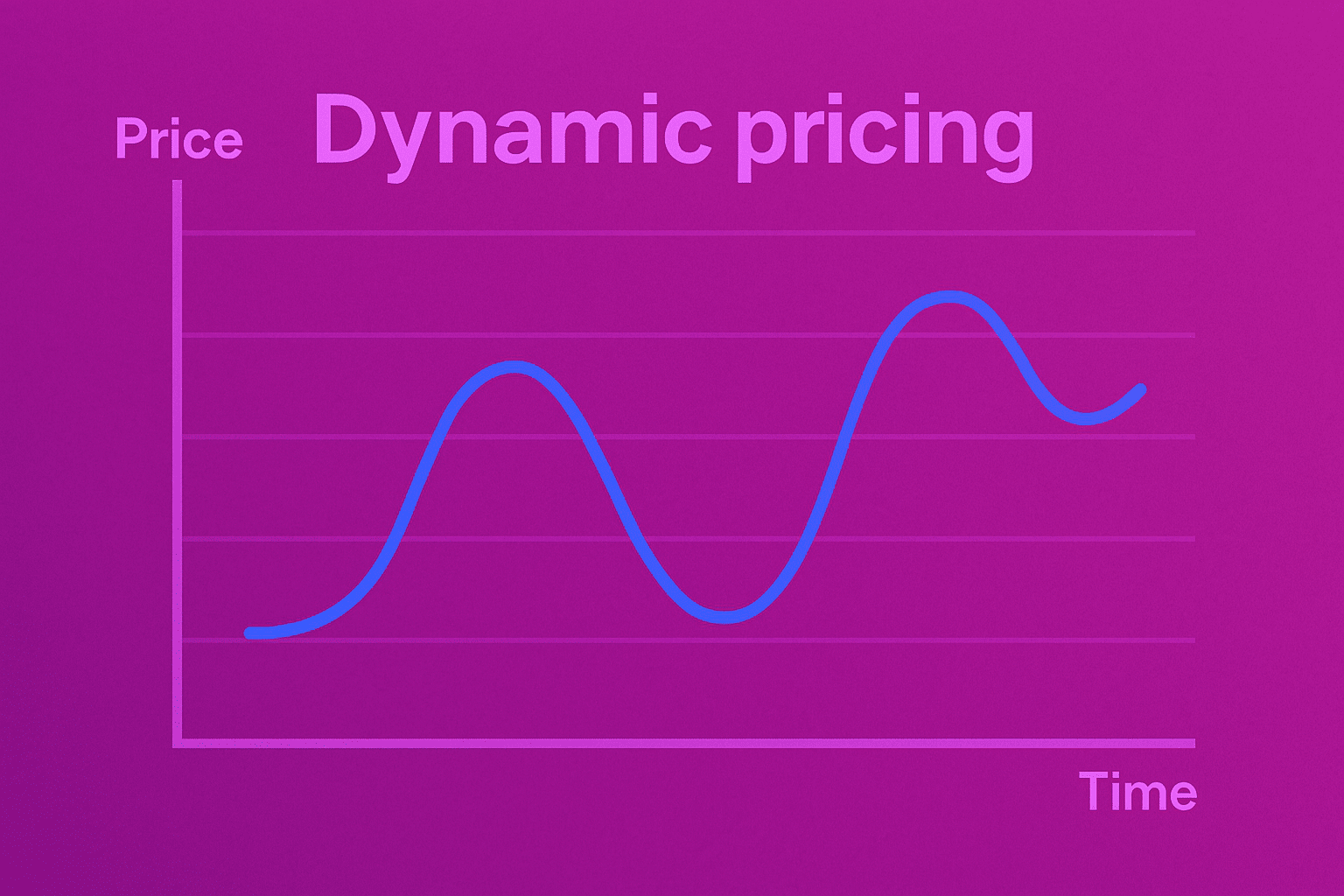
Dynamic pricing adjusts ticket prices based on real-time demand, maximizing revenue for artists and promoters. Platforms like Lysted enable sellers to adjust prices based on original prices and event popularity, with advanced software allowing real-time adjustments based on market demand and availability.
Using dynamic pricing tools allows sellers to respond swiftly to market changes, ensuring competitive pricing. In the future, Cheers Finance can enable smart contracts with similar programming for NFTs issued for events, which could be a game changer.
Promoting Your Tickets

Promotion is key to driving ticket sales. Effective social media marketing can drive nearly 25% of all traffic to event pages. Utilizing engaging visuals and videos in promotions can significantly boost ticket sales. Consider offering discounts or bundling tickets to attract last-minute buyers. Platforms that automatically list tickets across various channels can enhance visibility and speed up sales.
Platforms like Facebook, Instagram, and Twitter can help disseminate ticket information quickly and engage potential buyers. Post engaging content and utilize paid promotions for better visibility. Automated listings across various channels increase last-minute sales chances.
Leveraging Social Media

Social media enhances event promotion by allowing precise targeting based on user interests and demographics. Utilizing platforms like Facebook, Instagram, and Twitter can help disseminate ticket information quickly and engage potential buyers.
To leverage social media effectively, it’s crucial to post engaging content and utilize paid promotions for better visibility. Social media platforms are essential tools for promoting concert tickets and reaching a wider audience.
Email Marketing Campaigns

Email marketing campaigns notify potential buyers about available tickets. Personalized email content enhances engagement and improves ticket sales conversion rates. Including engaging content, such as behind-the-scenes insights, significantly improves open rates.
Targeting specific audiences with tailored email campaigns enhances the likelihood of ticket sales.
Safe Selling Practices

Preventing fraud and ensuring secure transactions are key. Stay vigilant during transactions and use established ticket resale platforms, which offer safeguards against fraud. Implement protective measures to safeguard against fraud and ensure smooth, secure transactions by following best practices.
When selling tickets in person, make the exchange in a visible location to enhance safety. Understanding platform-specific refund and exchange policies protects sellers from potential losses.
Additionally, NFTs enable verifying tickets on the blockchain, making fraud virtually impossible with proper education.
Detecting Scams
Protecting your profits and reputation involves detecting scams. Scammers often entice sellers with offers that seem too good to be true, aiming to exploit their trust. One indicator of a scam is when buyers request uncommon payment methods outside standard practices.
Using established ticket resale platforms can provide safeguards against fraud and enhance transaction security. Understanding platform-specific refund and exchange policies protects sellers from potential losses. NFTs also enable verifying tickets on the blockchain, making fraud virtually impossible with proper education.
Protecting Personal Information

Prevent identity theft and fraud by protecting personal information. Potential scams and lack of safeguards are significant risks with DIY ticket selling methods. Avoid sharing sensitive personal data until a transaction is confirmed.
Cheers Finance protects your personal information by not collecting it, ensuring your privacy and security.
Handling Unsold Tickets

Effectively handling unsold tickets can significantly impact your overall success. Assess your ticket inventory, including extra or unwanted tickets, to identify resale opportunities. Proactive management maximizes your chances of reselling them.
Tickets can be freely transferred between wallets (ticket holders) purchased on Cheers Finance, just paying minimal ETH gas to transfer tickets. This flexibility allows you to easily manage and resell your tickets, ensuring you make the most out of your inventory.
Last-Minute Sales Techniques

Last-minute sales techniques help sell tickets just before the event. Monitor trends in ticket supply and demand to inform effective pricing strategies for last-minute sales.
Adjust your ticket prices based on real-time demand and consider offering flash sales or leveraging social media to create urgency among potential buyers.
Refund and Exchange Policies
Refund and exchange policies protect your profits and reputation as a ticket seller. Most platforms allow refunds for event cancellations, but policies may vary for exchanges. Minimize risks by checking individual platform policies before listing tickets and including clear terms in your listings.
For Cheers Finance, events may only be withdrawn by hosts three days post-event, enabling them to confirm any reports of fraud or harm.
Real-World Success Stories

Real-world success stories inspire and motivate similar results in ticket reselling. In 2023, 4 million tickets were sold fan-to-fan, showcasing the potential for success. These stories highlight the significant opportunities available for those who understand and navigate the market effectively.
Professional promoters often share inspiring stories of successful ticket reselling ventures, emphasizing the unpredictable nature of live events and market demand. Many promoters stress the importance of learning from mistakes made along the way, highlighting common pitfalls that new sellers should avoid based on their experiences.
Professional Promoter Insights

Professional promoters offer valuable insights into successful ticket reselling strategies. They often emphasize the importance of understanding market demand and employing effective promotion techniques. Learning from mistakes and avoiding common pitfalls can significantly enhance your chances of success.
Lessons Learned

Lessons learned from successful ticket resellers can help you avoid common mistakes and maximize your profits. Common mistakes in ticket selling include failing to verify platform policies for secure transactions. Recognizing signs of scams, such as unusually low offers or unverified payment methods, is crucial for protecting yourself as a seller. Safeguard personal information by using secure payment methods and being cautious with communication channels.
Implement last-minute sales techniques, like offering flash sales or leveraging social media, to sell tickets quickly before the event.
Summary

In summary, selling concert tickets can be a rewarding and profitable venture if approached strategically. Understanding the concert ticket market, setting up a seller account, crafting attractive listings, employing effective pricing strategies, and promoting your tickets are all essential steps to success. Safe selling practices and proactive management of unsold tickets further enhance your chances of maximizing profits. Real-world success stories and professional insights provide valuable lessons and inspiration for your ticket reselling journey. With the right knowledge and tools, you can navigate the ticket resale market and achieve your goals.
Frequently Asked Questions

What is the primary motivator for reselling tickets?
The primary motivator for reselling tickets is to recoup financial losses, allowing sellers to quickly and conveniently manage their unsold tickets through dedicated platforms.
How can I identify high-demand events?
To identify high-demand events, look for those featuring popular artists with substantial fan bases, as this often results in increased resale prices. Targeting such events can enhance your chances of maximizing returns.
What are some secure payment methods for selling concert tickets?
Using secure payment methods like PayPal and verified resale platforms can effectively protect your personal information when selling concert tickets. Opt for trusted services that prioritize data security to ensure safe transactions.
How can I leverage social media to promote my tickets?
To effectively promote your tickets, leverage social media platforms like Facebook, Instagram, and Twitter by posting engaging content and using paid promotions to increase visibility. This strategy can significantly enhance your reach and engage potential buyers.
What are some common mistakes in ticket selling?
A clear mistake in ticket selling is not verifying platform policies to ensure secure transactions, which can expose you to potential scams. Always prioritize safeguarding your personal information to avoid financial loss.